

Selective Naturals
We all want our pets to live long and happy lives, so choose Selective, tailored nutrition to help support your pet’s digestive health and vitality for all life stages and lifestyles.
SELECTIVE NATURALS. FOR EVERY STAGE IN LIFE
- HIGH IN FIBRE
- NATURAL PREBIOTICS
- NO ADDED SUGARS
- OMEGA 3 & 6

Find the perfect product for your pet:
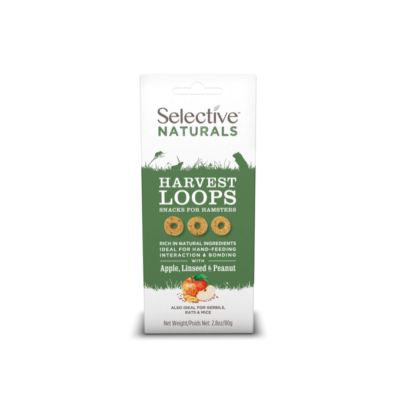
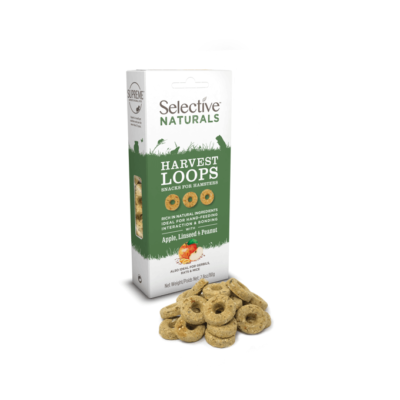
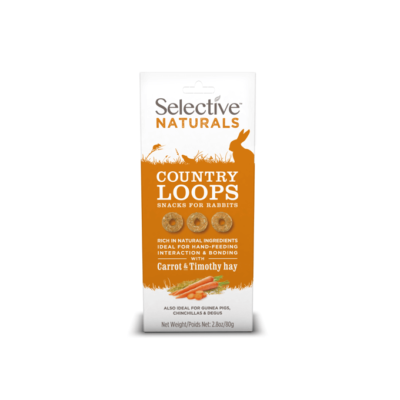
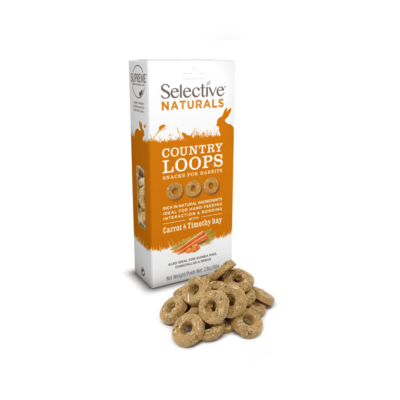
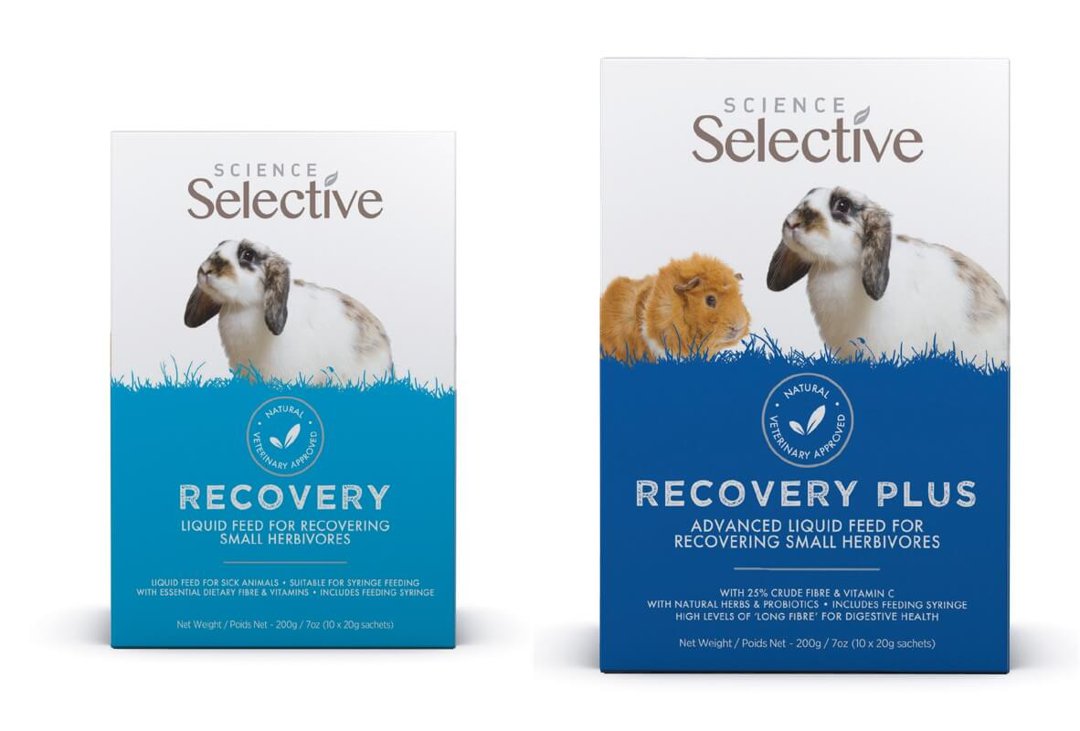

Our Supreme Naturals Veterinary Range
Supreme has worked closely with leading professionals to bring you Recovery, RecoveryPlus and VetCarePlus: nutritionally targeted diets to help combat commonly presented health problems in rabbits and guinea pigs.
Frequently asked questions about Science Naturals
Are guinea pigs good pets?
If you are looking for a gentle and entertaining pet, guinea pigs are a great choice. They are more robust and easier to handle than some of the smaller rodents and very rarely ever bite. They can also be trained to come to their owner when called and will often give a vocal greeting. Like any pet, they require care and commitment. Their accommodation has to be cleaned out regularly and they need space to exercise and explore. They do, however, require much less space than a rabbit, making them a good choice for people with smaller homes and gardens.
Are rabbits good pets?
Rabbits make lovely pets for caring owners. Although they have long had a reputation as being pets suitable for children, most people now believe they are more suitable for adults or older children, owing to their specific needs.
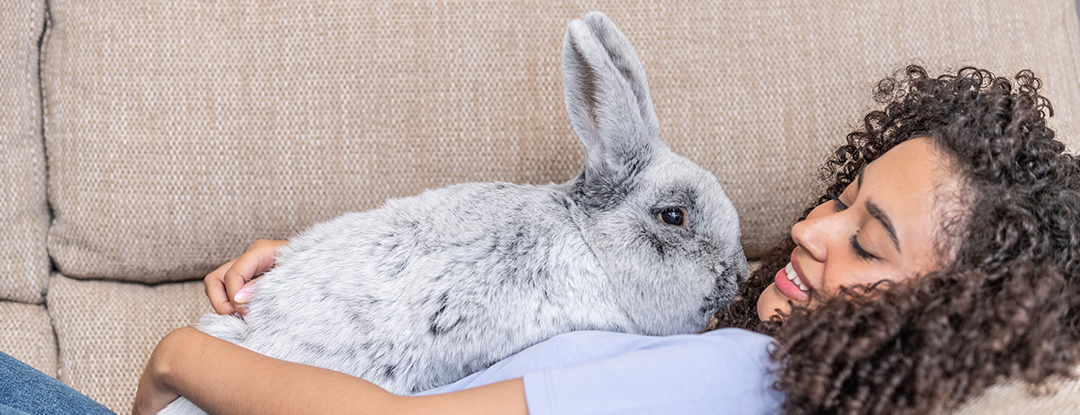
Some of the rewarding behaviours that rabbits can show, including being responsive to the presence of their owners and showing joy – the jumps that happy rabbits make are called binkies. Rabbits also play, burrow and make nests with their bedding material. Their coats are soft to the touch and in the main, they are very gentle pets when correctly handled. Rabbits should always be kept in pairs as the companionship of their own species is very important to them.
Although rabbits don’t need to be taken for walks, their hutches need cleaning daily and they need access to an area that’s large enough for them to take exercise. Many standard hutches are now considered to be too small for most rabbits and some people now tend to opt for small garden sheds or indoor pens and rooms, so that their pet has enough space to express natural behaviour. In some countries, keeping rabbits indoors is likely to be much safer than keeping them outside.
Rabbits are prey animals and therefore can be easily startled or frightened by inexperienced handling. A rabbit that is being held, but not well restrained, can damage their backs, even causing spinal fractures which are often fatal. Fearful rabbits may freeze and this is sometimes mistaken for a positive reaction. For instance, if a rabbit is laid on its back, many people believe that the trance-like state reflects complete trust and relaxation – in fact, this is a highly stressful experience for the rabbit. Their strong back legs mean rabbits should only be handled by people who are strong enough to hold them correctly if they kick out – this is one of the reasons they are not ideal pets for very young children.
Many people who own rabbits also own other types of pets too and love their rabbits just as much as they love their cats or dogs.
Are rabbits rodents?
The short answer is no – rabbits are not rodents. Rabbits are lagomorphs, although in the past they were wrongly classified as rodents. Unlike rodents, lagomorphs are herbivorous and should only be fed a plant-based diet. In fact, some researchers have suggested that rabbits have more in common with animals such as cattle or sheep, than with rodents.
Many rodents eat meat as well as plants and their bodies are adapted to allow them to digest the different food stuffs. Rabbits have a single stomach and a well-developed hind gut to allow them to break down plant material. Another feature is that rabbits eat their droppings – this is called coprophagy. The process allows them to extract more nutrients from their food.
Although both rodents and lagomorphs have continuously growing teeth, lagomorphs such as the rabbit have an extra pair of peg teeth behind their front incisors (the large front teeth). The lower incisors rest against these peg teeth.
As rabbit teeth grow continuously, it is really important that they have the opportunity to chew to wear the teeth down and prevent overgrowth or uneven growth. This continuous growth is a feature they share with rodents. One of the best ways to ensure that rabbits can keep their teeth healthy is to provide plenty of hay to chew. When choosing foods for your rabbit, always opt for one that contains plenty of fibre and always offer fresh hay and water alongside any other foods.