Why is no added sugar important in foods for rabbits and other small pets?
Sugar gets a lot of negative press these days – and often for good reason. In humans, high sugar intake has been linked to obesity, poor dental health and metabolic disease. But what about our small pets? Should we be just as careful with the sugar content of their diets?
The short answer is yes. At Supreme Petfoods, our ‘No Added Sugar’ manifesto is at the heart of how we formulate foods for rabbits, guinea pigs and other small pets. But choosing no added sugar is only part of the story. Making a high‑fibre, no‑added‑sugar diet that pets genuinely enjoy is surprisingly challenging – and that’s exactly where our extrusion technology makes a difference.
Read on to discover why sugar matters, why fibre is so important, and how we make naturally tasty, crunchy foods without relying on sugary syrups.
It’s All About Balance
A balanced diet is the foundation of health for every species – including small herbivores like rabbits and guinea pigs. That balance includes:
- Fibre
- Protein
- Carbohydrates (including natural sugars)
- Fat
- Vitamins and minerals
Carbohydrates are an important energy source. However, when they’re supplied in the form of easily digestible sugars and starches, and when they’re given in excess, they can have a negative impact on health.
What happens in the wild?
Wild rabbits are very good at balancing their own diets – with a big helping hand from nature. They will select:
- Nutrient‑rich leaves and new shoots over older, woodier plant material
- Fresh grasses and herbs that are high in fibre but only moderately high in sugar
Those more sugary, succulent shoots are only available at certain times of year. Fruits and root vegetables are also not widely available in the natural habitats of wild rabbits and guinea pigs. So although they may naturally eat some sugars, they are not exposed to them in large quantities all year round, and have evolved to thrive on a diet that is high in fibre.
Our pet rabbits and guinea pigs rely on us to help maintain this nutritional balance. If we give them too many sugary foods and treats, it can have a serious impact on their health.
Too Much of a Good Thing: The Risks of Excess Sugar
When small pets are fed a diet too high in sugar and readily digestible carbohydrates, the most obvious risk is weight gain and obesity.
According to UK Pet Food’s 2024 obesity report, 31% of small mammals are overweight or obese. That extra weight is far from harmless. It can contribute to:
- Arthritis and painful joints
- Fly strike (because overweight rabbits may struggle to groom properly)
- Diabetes
- Sore feet or hocks
- Skin disease
- Heart disease
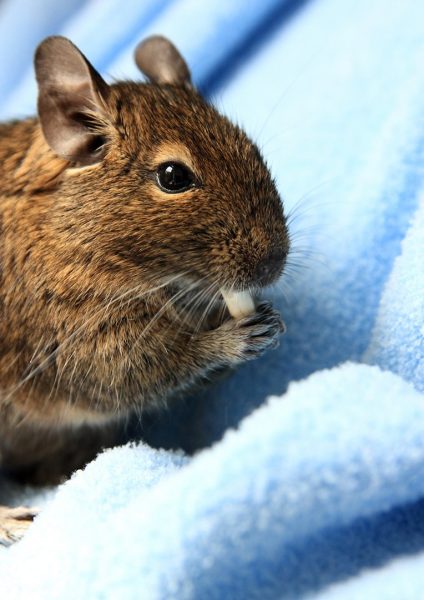
Did you know? Degus are unable to metabolise sugar effectively, which puts them at particularly high risk of diabetes. For them, low‑sugar diets are absolutely essential.
Excess sugar can also:
- Increase the risk of dental disease, especially if sticky, sugary ingredients cling to the teeth
- Upset the delicate balance of bacteria in the gut, contributing to digestive problems and poor gastrointestinal health
That’s why our ‘No Added Sugar’ commitment is so important – and why we don’t rely on sugary ingredients to make our foods tasty.
What Does ‘No Added Sugar’ Actually Mean?
Many small pet diets contain added sugars, even if they are not labelled as “sugar” on the pack. Common sources include:
- Molasses
- Syrups
- Honey
- Fruit pulp
- Other sweet binding agents
These ingredients are very energy‑dense. They are particularly unsuitable in the daily diet of rabbits, guinea pigs, chinchillas and degus, as these pets require a low energy-dense diet. Sugary, energy dense ingredients can contribute to obesity and dental problems. They are often added to:
- Make diets more palatable
- Help bind together pressed pellets
A ‘no added sugar’ diet means that we do not add these extra sugary ingredients to any of our pet foods. Instead, we:
- Always include high fibre, good‑quality hay and forage as the main ingredient
- Provide only the necessary carbohydrates required in forms that are similar to those found in the natural diet of rabbits, guinea pigs and other small herbivores
For rabbits, guinea pigs, chinchillas and degus, that means the majority of their diet should always come from freely available:
- High quality fresh hay (such as Selective Timothy hay)
- Fresh grass
A carefully measured portion of pet food supports this base diet and ensures they meet their daily nutritional requirements, alongside a small handful of suitable leafy greens. Pet food doesn’t need added sugars to be tasty.
The Hidden Challenge: Making High‑Fibre Foods Palatable
Here’s something you might not realise:
High‑fibre rabbit and guinea pig foods are actually quite difficult to make truly palatable – especially if you don’t use added sugars.
Fibre is absolutely essential for rabbits and guinea pigs. It:
- Supports healthy digestion
- Helps keep teeth worn down and in good condition
- Encourages natural chewing and foraging behaviours
But from the pet’s point of view, very high‑fibre ingredients can be less naturally tasty than sweet, starchy ingredients. This is particularly noticeable if you compare:
- Cold‑pressed pellets – often denser and less crunchy
- Extruded nuggets – lighter, more crunchy, with a more appealing texture
So how do we produce a high‑fibre, species‑appropriate diet that pets actually want to eat, without adding molasses or sugary syrups?
The Extrusion Difference: Crunchy, Tasty, and No Added Sugar
The way a food is made has a huge impact on how it feels and tastes to your pet. At Supreme Petfoods we use extrusion to create our complete diets, rather than relying on cold‑pressed pellets that often need added sugar to be palatable.
What is extrusion?
In simple terms, extrusion is a gentle cooking process where:
- Carefully selected ingredients are mixed together.
- The mixture is passed through an extruder, where it is gently cooked and expanded.
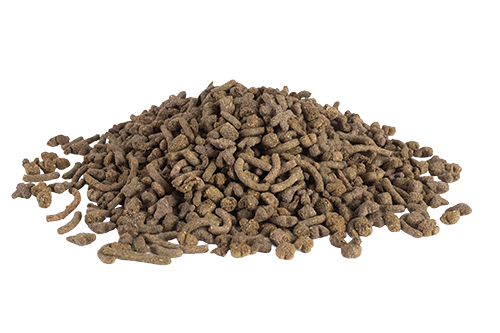
- The result is a light, crunchy nugget with a porous texture.
This process brings several important benefits:
- Improved texture: The expansion during extrusion creates a crunchy, airy structure that rabbits and guinea pigs typically find far more enjoyable than a hard, dense pellet.
- Naturally enhanced palatability: Gentle cooking helps to unlock natural flavours in the ingredients, so the finished product tastes better without the need for added sugary syrups.
- No need for molasses as a binder: Because extruded nuggets hold their shape well on their own, we don’t have to use sticky sugars to keep the ingredients together.
- Better species‑specific design: Extrusion allows us to tailor the shape and size of each nugget, helping to support natural chewing and foraging behaviours.
Where some cold‑pressed pellets rely on molasses or other sugars to:
- Bind ingredients together
- Improve palatability
our extruded nuggets use texture and gentle cooking to achieve a naturally tasty result.
For more detail on how we make our foods, you can read our blog: How We Make Pet Food.
Why No Added Sugar + Extrusion Is a Win for Teeth, Weight and Gut Health
By combining no added sugar with high‑fibre, extruded nuggets, we aim to support three key aspects of your small pet herbivore’s health:
Dental health
- Crunchy extruded pieces encourage chewing, which supports natural tooth wear.
- Long fibre particles help support dental wellbeing.
- Avoiding sugary ingredients helps reduce the risk of dental disease.
Weight management
- High‑fibre, lower‑sugar diets are less calorie‑dense than sugary mixes and treats.
- Our extrusion process ensures the food is less calorie dense.
- This helps reduce the risk of obesity, when combined with appropriate portion control.
Digestive health
- Rabbits and guinea pigs have very sensitive digestive systems that depend on a constant flow of fibre.
- Excess sugars can disrupt the normal balance of bacteria in the gut, contributing to digestive upset.
- A high‑fibre, low‑sugar diet supports a healthier, more stable gut environment.
What About Fruit and Root Vegetables?
Fruit and root vegetables – including favourites like carrots and bananas – naturally contain very high levels of sugar. While they may seem like a healthy option, for rabbits and guinea pigs they should be seen as occasional treats and no more than a small thumbnail size piece should be fed once or twice a week.
- Offer a thumbnail size piece of fruit or root veg as a special treat – no more than once or twice a week.
- If your pet is overweight, it’s safest to avoid these sugary treats altogether.
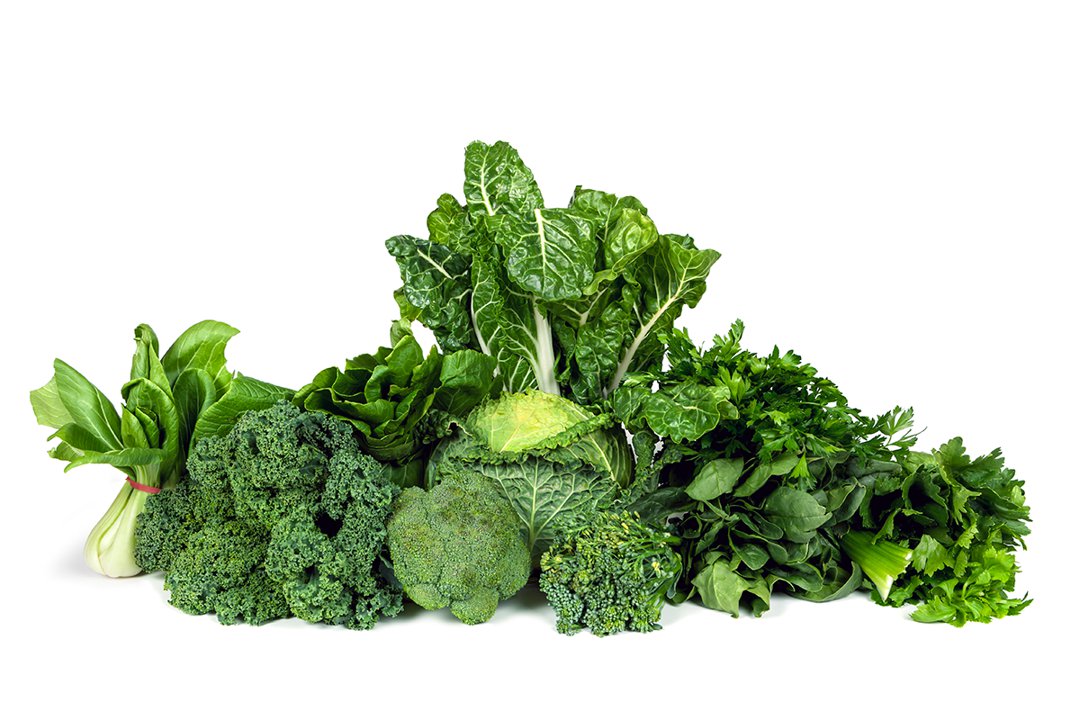
Pet herbivores do need suitable fresh vegetables every day, but the emphasis should be on leafy greens, such as:
- Green leaf lettuce (not Iceberg)
- Romaine lettuce
- Spring greens
- Herbs like parsley, basil and coriander
For more guidance, take a look at our blog on Veggies & Foods Safe For Rabbits & Small Pets.
Top Tips for Low‑Sugar, High‑Fibre Success
To support your rabbit, guinea pig or other small herbivore with a diet that’s both healthy and enjoyable:
- High‑quality fresh hay (such as Selective Timothy hay) and/or fresh grass.
- Provide a handful of suitable fresh leafy greens every day.
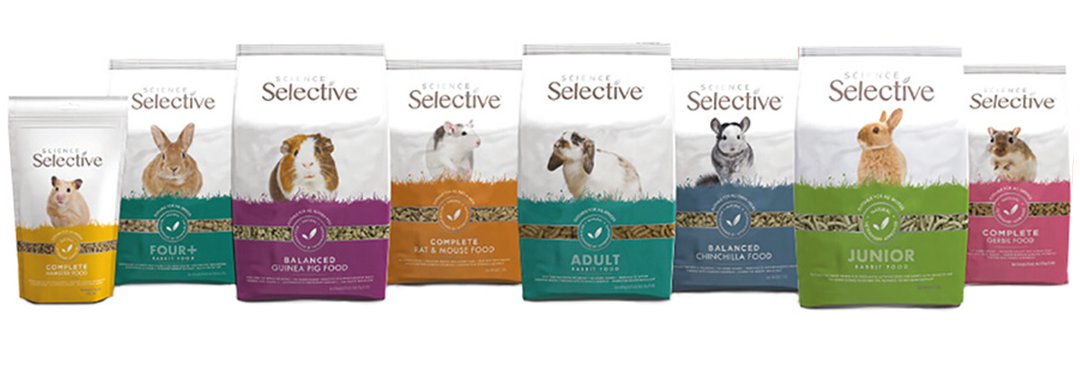
- Feed a carefully measured portion of a no added sugar, high‑fibre pet food, such as those in the Selective or Tiny Friends Farm ranges, morning and evening.
- Keep fruit and root vegetables (e.g. carrot) as occasional treats only.
- Choose no added sugar treats designed for small pets when you want to offer something special.
- Provide a constant supply of fresh water.
- Weigh your pet regularly to help keep track of their body condition and spot changes early.
Our ‘No Added Sugar’ Commitment
Our ‘No Added Sugar’ manifesto reflects our belief that:
- Small pets deserve diets that are as close as possible to their natural feeding patterns.
- Palatability should come from thoughtful recipe design, high quality ingredients, and advanced production techniques – not from added sugars.
- High‑fibre, species‑appropriate diets should also be enjoyable to eat, encouraging natural chewing and foraging, without compromising on health.
By using the extrusion process to create crunchy, tasty nuggets, we can make high‑fibre foods that rabbits, guinea pigs and all small pets love, while staying true to our commitment to no added sugars.
If you have any questions about your pet’s diet or our ‘No Added Sugar’ promise, you can reach out to us on our Facebook page or get in touch via our contact us page.