Hay, hay and more hay!
We all understand that fresh hay and grass are the most important parts of a rabbit’s diet, but boy, there are a lot of different types of hay to choose from! Knowing which hay is best for bunnies and how much they need per day can be mind-boggling, and to add to the mix, there is talk about the difference between feeding hay and bedding hay. Making your brain hurt yet? Well, hopefully this will help.
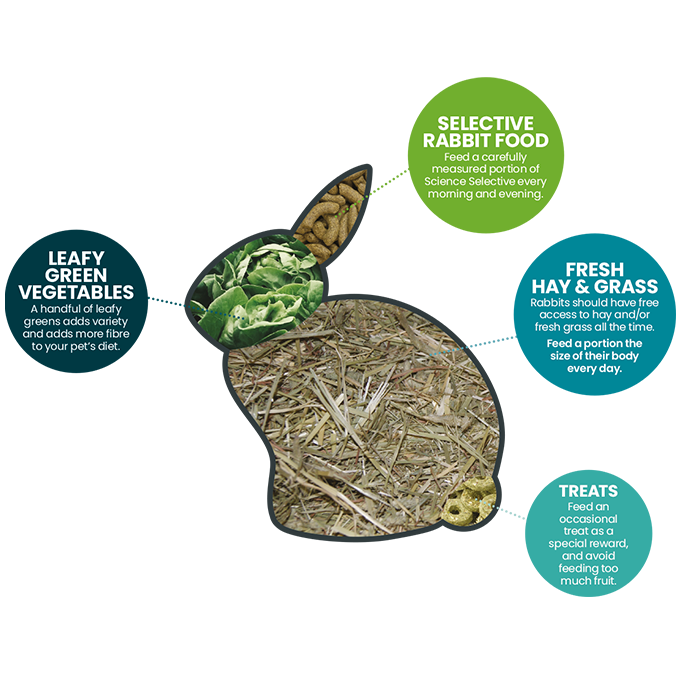
It is thankfully becoming common knowledge that hay is the most important part of a rabbit’s daily diet. As a rule, they should have free access to fresh, good-quality hay and should be eating a portion of hay at least the same size as their body every day. Providing your rabbits with sufficient amounts of hay per day promotes healthy teeth and supports normal digestive function.
When it comes to bedding our buns, hay has been used for many years. Hay is great for keeping hutches warm and cosy. However, if not stored correctly and exposed to the elements, it will quickly become damp and mouldy. When looking for suitable hay for your bun’s hutch, it is important to make sure it is sweet-smelling, as dust-free as possible and entirely mould-free. This is just as important if you are looking for hay to feed your bun, after all, they will not know the difference and will still eat both! However, you may find other bedding materials more suitable, such as a paper-based product. This also prevents bunnies from eating hay that they have pooped and peed on.
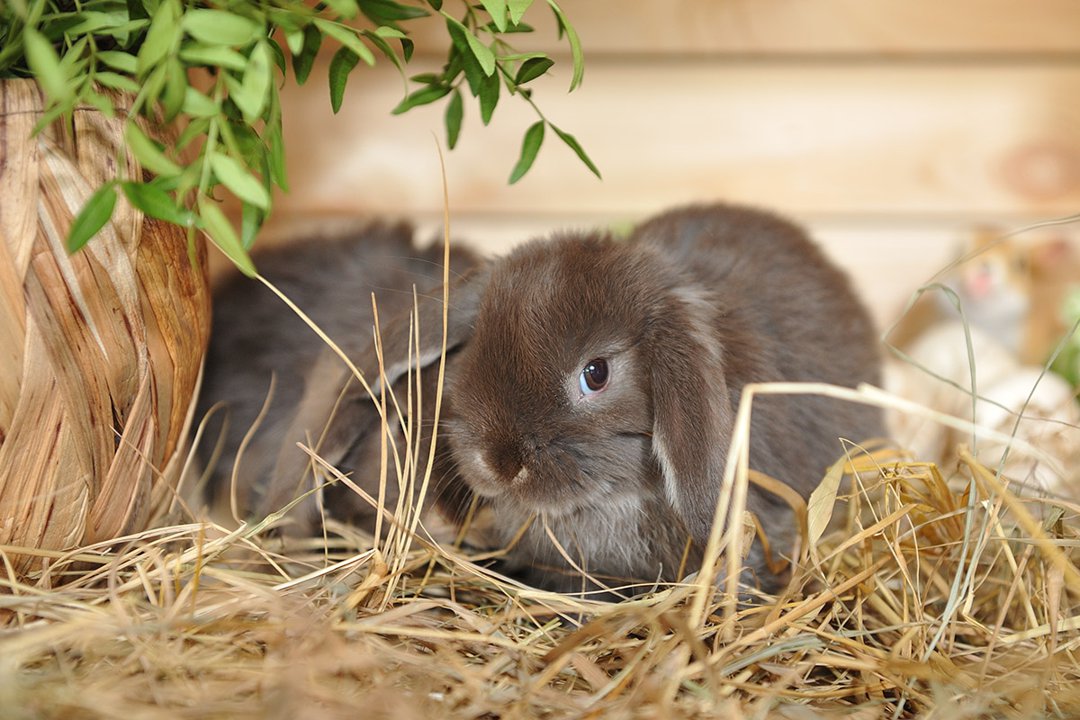
So, how is the hay you feed you bun different to the hay you bed your bun on? Well the answer is nothing – hay is hay and all types are grown in a field. Feeding hay and bedding hay are not grown as two different crops. Different seed mixes are not specifically designed to create either type of hay. In fact, it all comes down to the quality of the hay. The most nutritious meadow hay will come from a nice mix of leafy grass and clover.
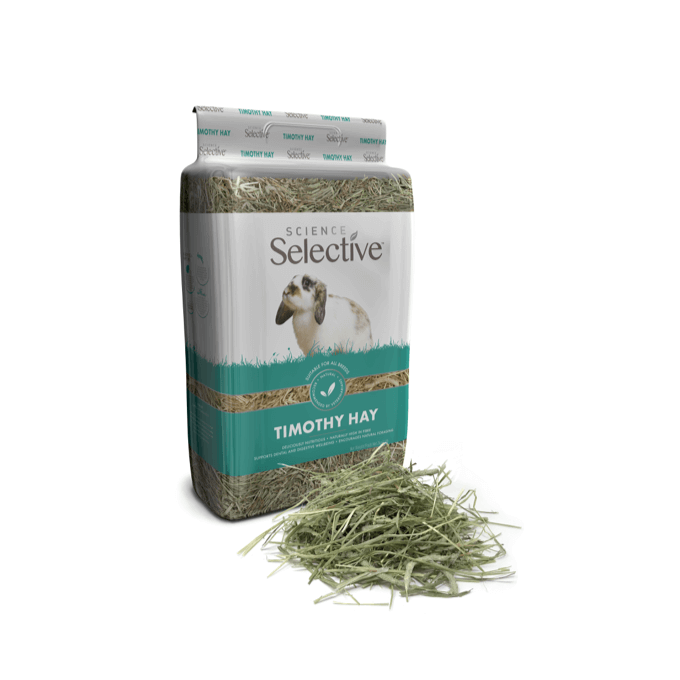
When looking for good quality hay, you need to evaluate the following:-
Appearance
It’s all about the leaf. You are after hay with plenty of leaf matter. Hay with an abundance of stalk and mature seed heads will have been baled past its best.
Colour
Good hay is a pale green to pale gold colour. If it looks dull and brown, there is a good chance the crop has been rained on whilst drying. When assessing the colour of your hay, the best area is the heart of the bale and not the outside. This is because the hay can be bleached by daylight, but don’t let this put you off, as it just means that it has spent its days on the outside of the haystack.
Mould
Mould can show as areas of darker discolouration, but it is not always visible. However, you have a weapon at your disposal – your nose! If that bale is mouldy, you will be able to smell it!
Smell
Most people will agree that the sweet smell of good hay is delicious (I am sure our little buns will totally agree). Most packaged hay will allow you to experience that glorious smell through the packaging. If the hay smells sharp, musty and almost metallic, it is a sure sign that it has been affected by mould.
Dust
Whilst you are checking the appearance and smell, take note of whether there is a lot of dust being produced. Dust can upset a bunny’s delicate respiratory system, so there is no place for dusty hay, even if you are just using it as bedding!
One of the main problems in bedding rabbits on hay is how to stop them from eating something they have just peed on. The problem is you can’t. If the hay smells good and tastes good, then your bunnies are going to eat it. They unfortunately do not know the difference between the stuff you’ve left them to sleep on or the pile you’ve left them to munch, and rabbits eating hay that they have urinated on is going to cause health issues. So using a different bedding source than hay is often a safer option. A paper-based bedding is ideal; it is usually dust extracted and can be hypoallergenic!
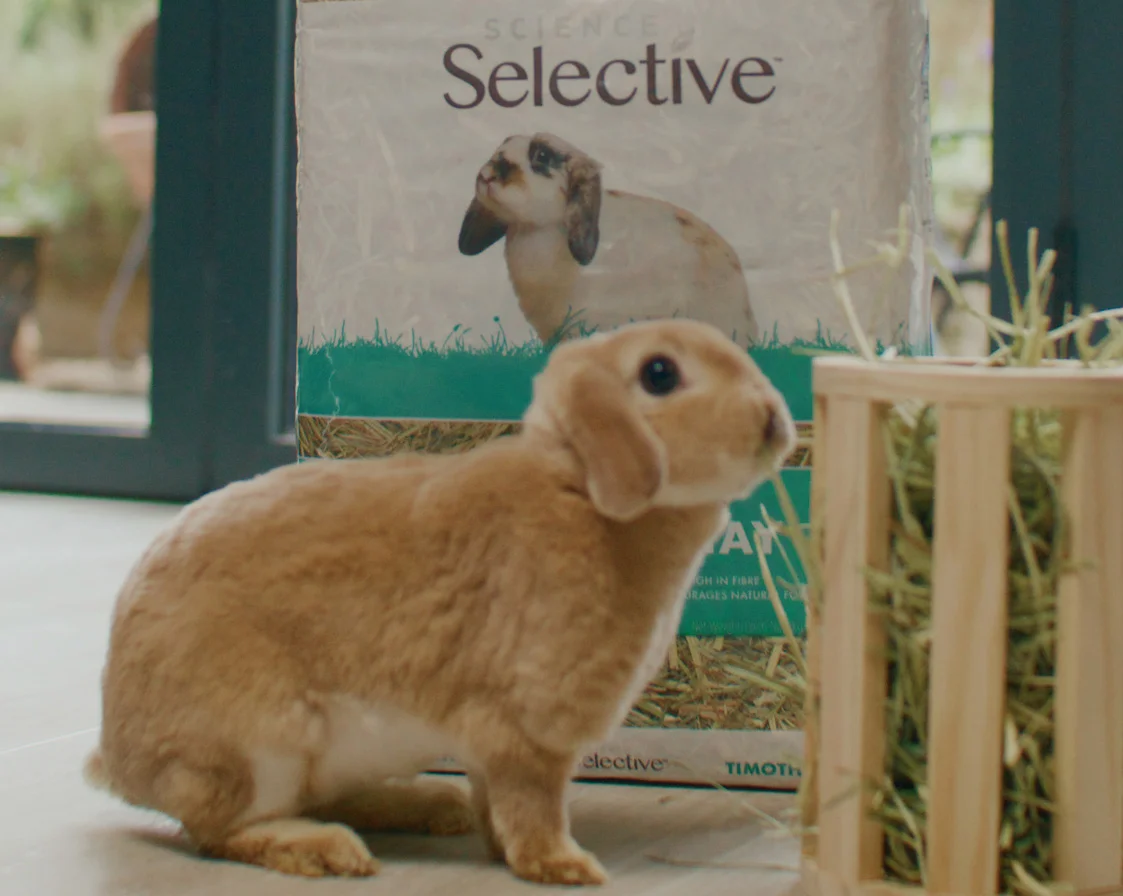
You can also make hay fun! Your bunny’s hay doesn’t have to be left in a pile in the corner of their home; it can be placed in multiple areas to encourage your rabbit to forage while getting some exercise. Using hay racks and balls is also good for environmental and behavioural enrichment, but also to make hay munching a challenge. A rabbit enjoys mental stimulation, so keep their little brains turning by making a tasty task even more exciting. They also like to eat when they poop and pee, so having a hay rack above their litter box is a great way to encourage them to eat more hay while they relieve themselves!
Firstly, in terms of the type of grass, the healthiest and tastiest choices are generally Meadow hay (such as Russel Rabbit Tasty Hay) or Timothy hay. Our Science Selective Timothy Hay is harvested from the first cut of the year, and the Timothy grass produces large, green, tasty hay blades that bunnies love.
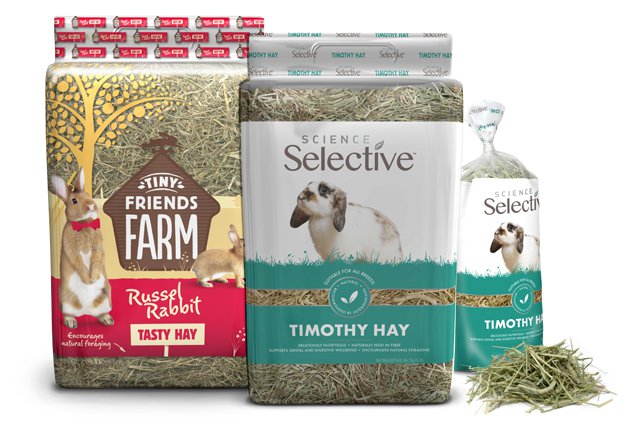
So, as a rule, hay is hay. There should be no let-up on quality, whether you are feeding the hay or using it as bedding. Having poor-quality hay within your bun’s home could cause unwanted ailments. Making a clear distinction between our rabbits’ diet and bedding is ideal for ensuring well-being, and providing freely available good-quality hay as a staple part of our bunnies’ diet is a winning combination for overall rabbit health.